Categories

How a Room Air Filter Improves Indoor Air Quality
IntroductionIndoor air quality is a matter of concern for many homeowners, especially those living in urban areas. Poor air quality can lead to health problems such as allergies, asthma, and respiratory issues. Air filters can help improve air quality by removing pollutants and allergens from indoor air. In this article, we will be discussing the benefits of having a room air filter.What is a Room Air Filter?A room air filter is a device that cleans indoor air by removing pollutants and allergens. It works by pulling air into the device, filtering out impurities, and releasing clean air back into the room. Room air filters come in different types, sizes, and designs, each with its own unique features and benefits.Types of Room Air FiltersHere are some of the common types of room air filters:HEPA FiltersHEPA stands for High-Efficiency Particulate Air. HEPA filters can remove up to 99.97% of particles as small as 0.3 microns, including dust, pollen, and bacteria. HEPA filters are common in homes and offices and are most effective at removing particles that can cause allergies and respiratory problems.Activated Carbon FiltersActivated carbon filters are best for removing odors, chemicals, and gases from indoor air. They work by adsorption, which is the process of attracting and holding particles to a surface. Activated carbon filters come in different types and can remove different kinds of pollutants.UV-C LightsUV-C lights use ultraviolet radiation to kill bacteria and viruses in indoor air. They are often used in conjunction with HEPA or activated carbon filters to provide additional air-cleaning benefits.Ionic Air PurifiersIonic air purifiers work by sending charged ions into the air, which attach themselves to particles and remove them from the air. Although they are effective at removing some pollutants, they can produce ozone, which can be harmful to human health.Benefits of Room Air FiltersHere are some of the benefits of having a room air filter:Improved Indoor Air QualityA room air filter can improve the quality of indoor air by removing pollutants and allergens. This can lead to better health and well-being for those living in the home or office.Reduced Allergies and AsthmaBecause room air filters can remove allergens such as pollen, dust, and pet dander, they can help reduce the symptoms of allergies and asthma in those who suffer from them.Reduced Exposure to ChemicalsRoom air filters can remove chemicals such as volatile organic compounds (VOCs), which are found in cleaning products, paints, and other household items. This can reduce exposure to harmful chemicals in indoor air.Reduced OdorsRoom air filters can remove odors from the air, making indoor air more pleasant and comfortable.Placement of Room Air FiltersThe placement of room air filters is important for optimal performance. Here are some tips:Choose the Right SizeChoose a room air filter that is appropriately sized for the room it will be used in. An undersized filter will not be effective, while an oversized filter can be noisy and inefficient.Leave Enough SpaceLeave enough space around the filter for air to circulate. This will ensure that the filter is working effectively and efficiently.Consider AirflowConsider the airflow in the room when choosing a location for the air filter. Place it in an area where air flows freely, such as near a window or door.ConclusionA room air filter is an effective way to improve indoor air quality and reduce the symptoms of allergies and asthma. Understanding the different types of filters and their benefits can help you choose the right one for your home or office. By placing the air filter in the right location and maintaining it properly, you can enjoy clean and healthy indoor air for years to come.Quote InquiryContact us!
READ MORE
What is the function of hydraulic oil filter in hydraulic system?
The role of the hydraulic oil filter in the hydraulic system is to ensure the cleanliness of the hydraulic oil, thereby protecting the hydraulic components and maintaining the normal operation of the system. The specific role and importance of the hydraulic oil filter will be analyzed in detail below:1. Filter impurities of the hydraulic oil filter(1) Removal of pollutantsHydraulic system in the operation process will inevitably produce or invade various pollutants, such as metal particles, dust, sludge and so on. These contaminants can cause serious damage to hydraulic components, such as accelerating wear, clogging valve holes, and sticking spool. The hydraulic oil filter effectively filters these impurities through its filter element, maintains the cleanliness of the hydraulic oil, and extends the service life of the equipment.(2) Prevent faultsBy removing tiny particles, oil filters reduce wear and clogging in the hydraulic system, thereby reducing system failures and maintenance costs.2. Control cleanliness of the hydraulic oil filter(1) Improve system performanceThe cleanliness of hydraulic oil directly affects the performance and reliability of the system. By controlling the cleanliness of the oil, the oil filter ensures that the hydraulic oil meets the requirements of the system, thereby improving the efficiency of the entire system.(2) Filtration accuracyAccording to different filtration accuracy, hydraulic oil filters are divided into crude oil filters, ordinary oil filters, fine oil filters and special fine oil filters to meet the specific requirements of different systems. Selecting the right filtration accuracy can maximize the protection of hydraulic components and reduce the failure caused by pollution.3. Protect hydraulic components of the hydraulic oil filter(1) Extend the life of componentsBy filtering out harmful particles, hydraulic oil filters reduce the wear of hydraulic components and extend the service life of key components such as pumps, valves and cylinders.(2) Maintain system stabilityWhen the impurities in the hydraulic oil are effectively filtered, the stability and reliability of the system are guaranteed, reducing the risk of sudden failure.4. Maintain system efficiency(1) Reduce energy lossThe clean hydraulic oil reduces the resistance in the system, improves the efficiency of energy transfer, and reduces energy consumption.(2) Optimize work flowThe hydraulic oil filter ensures that the hydraulic oil is clean, so that the hydraulic system can continue to work efficiently, and the production process will not be interrupted because of the problem of pollutants.5. Easy maintenance of the hydraulic oil filter(1) Simplify maintenance stepsHydraulic oil filters are usually designed with the easy replacement and cleaning of the filter element in mind, making daily maintenance easier and faster.(2) Monitor the status of the filter elementMany hydraulic oil filters are equipped with differential pressure indicators, which can indicate the filter replacement time to ensure that the filter is always in optimal working condition.In summary, hydraulic oil filters play a vital role in hydraulic systems, significantly improving the reliability and life of hydraulic systems by ensuring the cleanliness of hydraulic oil, protecting hydraulic components, maintaining stable system operation, improving overall efficiency and simplifying maintenance. For any industrial application that relies on hydraulic systems, the correct selection and use of hydraulic oil filters is the key to ensuring long-term stable operation of the system.Quote InquiryContact us!
READ MORE
Prolonging the service life of the hydraulic oil filter method is what?
Extending the service life of the hydraulic oil filter is very important to maintain the normal operation of the hydraulic system and reduce maintenance costs. The specific analysis is as follows:1. Check the filter element regularlyDuring use, the filter element will be continuously eroded by pollutants, so it is essential to check the condition of the filter element regularly. During inspection, attention should be paid to whether there is obvious wear, damage or deformation on the surface of the filter element. If the problem is found, the filter element should be replaced in time to avoid affecting the normal operation of the hydraulic system.2. Replace the filter element in timeAccording to the use of the equipment and the manufacturer's recommendations, develop a reasonable filter replacement cycle. Timely replacement of the filter element can effectively prevent the damage of pollutants to the hydraulic system and extend the service life of the equipment.3. Keep the hydraulic oil cleanThe cleanliness of the hydraulic oil has a great impact on the service life of the filter element. Therefore, the hydraulic oil should be filtered and replaced regularly to ensure the cleanliness of the hydraulic oil. In addition, pollutants such as water and metal particles should be avoided from entering the hydraulic system to reduce the burden on the filter element.4. Set filtering accuracy reasonablyThe filtration accuracy of the filter element should be selected according to the working requirements of the hydraulic system and the degree of pollution. The high filtration accuracy may cause the filter element to clog too quickly and affect the service life; If the filtration accuracy is too low, the pollutants cannot be effectively filtered and the normal operation of the hydraulic system will be affected. Therefore, a reasonable setting of filtration accuracy is helpful to extend the service life of the filter element.5. Clean the filter element regularlyWhen replacing the hydraulic oil, the filter element can be cleaned. When cleaning, you can use a special cleaning agent, gently scrub the surface of the filter, and then dry with compressed air. After cleaning, the filter element should be dried or desiccant should be used to remove excess water to prevent rust.6. Avoid leaving the filter cartridge empty for a long timeIf the filter is not used for a long time, it may lead to moisture, rust or aging of the filter. Therefore, when the hydraulic equipment is not used, the power should be turned off, and the filter element should be stored in a dry and cool place to extend its service life.7. Choose high quality filter element productsHigh quality filter element products have better filtration performance and longer service life. For example, Hedecker hydraulic industrial filter can effectively filter solid particles and colloidal substances in the working medium, control the degree of pollution of the working medium, thereby extending the service life of the hydraulic system.8. Optimize the workflow of the hydraulic systemBy optimizing the work flow of the hydraulic system, the working pressure and load of the filter can be reduced, thus extending the service life of the filter. For example, the combined hydraulic filtration scheme can improve the filtration effect without changing the existing oil return filter scheme.9. Regularly train operation and maintenance personnelEnsuring that operators and maintenance personnel understand how to properly inspect and maintain hydraulic oil filters can significantly extend the service life of the filter element. The training content should include the inspection method of the filter element, the replacement cycle, the cleaning method and the troubleshooting.10. Use an auxiliary filtration systemThe installation of auxiliary filtration systems in the hydraulic system, such as pipe filters or tank fueling and ventilation filters, allows additional filtration of the hydraulic oil at key locations, thereby reducing the work load of the main filter element and extending its service life.To sum up, extending the service life of hydraulic oil filters needs to start from many aspects, including regular inspection and replacement of filter elements, keeping hydraulic oil clean, reasonable setting of filtration accuracy, regular cleaning of filter elements, avoiding long-term vacancy, selecting high-quality filter products, optimizing workflow, training operation and maintenance personnel and using auxiliary filtration systems. Through these measures, the service life of the hydraulic oil filter can be effectively extended, to ensure the stable operation of the hydraulic system, and to reduce maintenance costs.Quote InquiryContact us!
READ MORE
The Ultimate Guide to Choosing a House Air Purifier
The Ultimate Guide to Choosing a house air purifierAir pollution is a serious problem, especially in areas with high traffic or industrial activity. Poor indoor air quality can lead to various health problems such as allergy, asthma, and respiratory issues. This is where house air purifiers come in handy. A house air purifier can significantly improve air quality by removing pollutants and allergens from the air. However, with so many options available in the market, choosing the right one can be overwhelming. Here's a guide to help you navigate through the process:Why Do You Need a House Air Purifier?The first step in choosing a house air purifier is to understand why you need one. The most common reasons are to improve indoor air quality and reduce allergy or asthma symptoms. People with compromised immune systems or respiratory problems may also benefit from a house air purifier. If you have pets, smoke, or live in a highly polluted area, you may want to consider investing in a house air purifier.Types of House Air PurifiersThere are several types of house air purifiers available, including:Hepa Filters - removes small particles such as dust, pollen, and smokeActivated Carbon Filters - removes odors and gasesUV-C Light - kills germs and bacteriaOzone Generators - produces ozone that reacts with pollutantsRoom SizeBefore purchasing a house air purifier, you need to consider the size of the room where you will be using it. An undersized air purifier won't be effective, while an oversized one can waste energy. Check the specifications of the unit to determine the appropriate room size. Measure the room and choose a unit with the appropriate coverage area.FeaturesHouse air purifiers come with various features that you may find useful. Some common features include:Multiple fan speeds - adjust the fan speed according to your needsTimers - set the air purifier to turn on or off at specific timesRemote control - easily adjust settings from a distanceAir quality sensors - automatically adjust settings based on air qualityMaintenanceLike any appliance, house air purifiers require maintenance to function properly. Before purchasing, check the maintenance requirements of the unit. Some may require filter replacements, while others only need occasional cleaning. Check the cost and availability of replacement filters as well.Noise LevelThe noise level of the house air purifier is an important factor to consider, especially if you plan on using it in your bedroom. Check the decibel level of the unit before purchasing. Look for units that are designed to be quiet.Energy EfficiencyHouse air purifiers can consume a significant amount of energy, especially if you use them throughout the day. Look for units with an energy star rating to ensure energy efficiency. These units are designed to consume less energy than their counterparts, which can help you save money on electricity bills.BudgetHouse air purifiers come in various price ranges, from affordable to high-end units. Determine your budget before purchasing and stick to it. Keep in mind that expensive doesn't always mean better.Brand and WarrantyWhen it comes to appliances, purchasing from a reputable brand is key. Do research on various brands and read reviews from customers before purchasing. Check the warranty of the unit as well to ensure you're protected in case something goes wrong.ConclusionA house air purifier is a valuable investment in improving your indoor air quality. Consider the type of filter, room size, features, maintenance, noise level, energy efficiency, budget, and brand before making a purchase. By following these guidelines, you'll be able to choose a unit that fits your needs and budget.Quote InquiryContact us!
READ MORE
How to measure filtration accuracy?
The methods of measuring filtration accuracy include bubble point method, filtration efficiency test, bacterial challenge test and SEM photo analysis. The details are as follows:1. Bubble point method of the filterThis method is based on the capillary pore structure of the microporous membrane. By measuring the minimum pressure of the bubble escaping from the microhole, the size of the aperture can be deduced. The specific formula is: P=4×K×Y×Cosθ/D, where P is the pressure difference, Y is the liquid surface tension, θ is the contact Angle, K is the hole shape factor, and D is the aperture.Advantages: Suitable for the detection of irregular aperture materials.Disadvantages: It is assumed that the aperture is uniform, but it may be uneven.2. Filtration efficiency test of the filterThis test method evaluates the filter accuracy by measuring the filter's ability to trap particles of a specific size. Standardized particle suspensions are usually used for testing, and particle concentrations at the entrance and exit are compared.Advantages: It directly reflects the efficiency of the filter in actual use.Disadvantages: Specific test equipment and standard particles are required.3. Bacterial challenge testThis method is mainly used for verification of bacteria-grade filters. For example, a filter of 0.22um is challenged with defective pseudomonas to require that the filter solution be sterile.Advantages: Directly proves the filter's ability to retain bacteria at the level.Disadvantages: The operation is complex and requires sterile operating conditions.4.SEM photo analysis of the filterThe size and distribution of the aperture of the filter membrane can be directly observed by taking the image of the filter membrane with the electron microscope. The aperture can be calculated by the ratio of the length of the scale to the magnification.Advantages: Visual display of aperture and its distribution.Disadvantages: Different sampling points can lead to wide variation in results and expensive equipment.In summary, various methods for measuring filtration accuracy have advantages and disadvantages, and are suitable for different application scenarios and needs. When selecting a measurement method, the required accuracy, material properties, and specific application background should be taken into account.Quote InquiryContact us!
READ MORE
Use the filter what are the benefits?
The benefits of using filters mainly include improving cleanliness, protecting equipment, reducing maintenance costs and improving production efficiency. The details are as follows:1. Improve cleanliness by using filtersThe filter can effectively remove solid particles, suspended solids, microorganisms and other pollutants in the fluid to improve the cleanliness of the fluid.2. Protect the device by using filters(1) Extend the life of the equipmentFilter out impurities that may cause wear and clogging, reduce equipment wear, and extend equipment life.(2) Prevent failureAvoid equipment failures caused by impurities, reduce downtime, and improve system reliability.3. Reduce maintenance costs(1) Reduce the number of maintenanceBecause the equipment is protected, the number of maintenance and repairs caused by impurities is reduced.(2) Easy replacement and cleaningThe filter design is easy to operate, making the cartridge replacement or cleaning process simple and fast.4. Improve production efficiency by using filters(1) Improve work flowThe cleaning of the fluid ensures the continuity and stability of the production process and improves the production efficiency.(2) Optimize product qualityIn the chemical, food and pharmaceutical industries, filtration ensures the purity of raw materials and products and improves the quality of the final product.5. Environmental protection and energy saving of using filters(1) Reduce energy consumptionBy maintaining efficient system operation, energy waste is reduced.(2) Reduce waste dischargeThe captured pollutants can reduce environmental pollution and meet environmental protection requirements.6. Adapt to different application requirements(1) Diversified choicesThere are various types of filters on the market, and the appropriate filtration accuracy and capacity can be selected according to different industrial applications.(2) Customized servicesFilters can be customized to meet specific operating conditions and specifications.In summary, the use of filters can not only improve the cleanliness of the fluid, protect and extend the service life of the equipment, but also reduce maintenance costs, improve production efficiency, and also play a positive role in environmental protection. These benefits make filters an indispensable component in a variety of industrial systems.Quote InquiryContact us!
READ MORE
What are the advantages of spin-mounted low pressure filters?
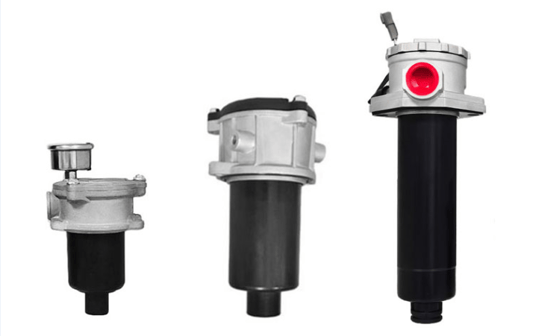
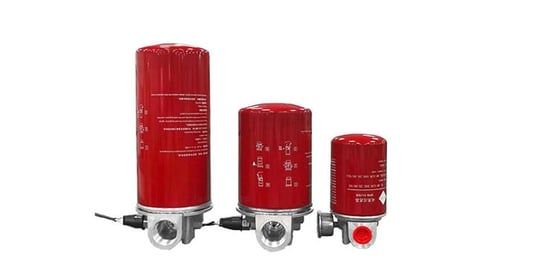
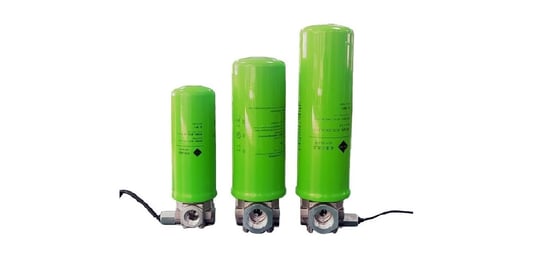
The advantages of the rotary low-pressure filter are mainly reflected in its design, performance and use and maintenance, including easy maintenance, strong corrosion resistance, compact structure and so on. The following is an overview of these advantages:1. Easy maintenance of the rotary low-pressure filter(1) Quick replacement of filter elementThe rotary design makes the replacement of the filter element easy and fast, and does not require professional tools to complete the operation. This design not only saves time, but also reduces maintenance costs.(2) Visual indicatorMany rotary filters are equipped with integrated indicators that visually display the status of the filter through red/green color changes, enabling users to understand the working condition of the filter and replace the filter in a timely manner.2. Strong corrosion resistance(1) High-quality filter shell sprayingSpinner filters usually use high-quality shell spraying technology, which can effectively prevent corrosion and extend the service life of the filter. This is particularly important in highly corrosive environments.(2) Gray cast iron filter headSome types of rotary filters use gray cast iron filters, which have good corrosion resistance and are suitable for applications in highly corrosive environments.3. Compact structure of the rotary low-pressure filter(1) Compact designRotary filters are usually designed to be very compact, take up little space, and are easy to install in tight Spaces. This design makes them more flexible for use on a variety of devices.(2) Standardized componentsThanks to the standardized design of rotary filters, their components can be interchanged between different models, which greatly simplifies the process of inventory management and replacement of spare parts.4. Wide range of working pressureSpinner filters are capable of operating over a wide pressure range, from low pressures to relatively high pressures (e.g. 10.3 bar / 150 psi), which allows them to adapt to different hydraulic systems and conditions.5. Large traffic handling capacity of the rotary low-pressure filterRotary filters usually have a large flow handling capacity, such as 360L/min, which ensures efficient filtration performance even in low-pressure environments. This is especially important for systems that require a lot of hydraulic oil circulation.6. Bypass valve designMany rotary filters are equipped with a bypass valve, when the filter element is blocked, the bypass valve will automatically open to ensure that the oil continues to flow and ensure the continuous work of the system.7. Versatility of the rotary low-pressure filterRotary filters can be used not only for oil absorption filtration, but also for return oil filtration, which makes them widely used in various types of hydraulic systems, such as telescopic arms, garbage trucks, road sweepers, compressors, etc.In summary, the rotary low-pressure filter plays an important role in various hydraulic systems with its advantages of easy maintenance, strong corrosion resistance, compact structure, wide working pressure range, large flow handling capacity, bypass valve design and versatility. These advantages not only improve the operating efficiency and reliability of the system, but also reduce the maintenance cost and maintenance difficulty. For users who require a hydraulic filter, a rotary low pressure filter is an efficient and economical option.Quote InquiryContact us!
READ MORE
What is the principle of the filter?
The principle of the filter is mainly based on physical or chemical methods, and the impurities, particles or harmful substances in the fluid (such as water and air) are separated through the filter medium, so as to achieve the purification, purification or recovery of the fluid.Filter is a kind of equipment used to separate and remove impurities in the fluid, widely used in water treatment, air purification, chemical, pharmaceutical, food and other fields. Its working principle mainly includes interception, adsorption, condensation and sedimentation. The details are as follows:1.Intercept of the filterThe particles in the fluid are trapped on the surface of the filter medium by using the physical barrier of the filter medium. The filter media commonly used in liquid filters include filter cloth, filter screen and porous film. For example, the water filter is usually composed of a cylinder, stainless steel filter, sewage part, transmission device and electrical control part, and the water to be filtered when working is entered by the water inlet, and the particle impurities in the water after flowing through the filter are trapped in the filter inside the filter, so as to obtain the purified water.2. AdsorptionUsing the chemical properties of the filter medium surface, the harmful substances in the fluid are adsorbed on the filter medium. Air filters commonly use activated carbon as an adsorbent to effectively remove harmful gases and odors in the air.3. Cohesion of the filterBy adding coagulants, the small particles in the fluid are aggregated into larger particles, which is easy to filter. This method is often used in the water treatment process to improve the filtration efficiency.4. Settle of the filter Using gravity, the particles in the fluid settle in the filter medium, so as to achieve the purpose of separation. Commonly found in sand filters and filters for other granular filter media.In summary, the filter uses a variety of principles to achieve the purification and separation of fluids, according to different application scenarios and needs to choose the appropriate filter media and equipment types, can effectively improve the quality of fluids, to ensure the normal operation of production and life.Quote InquiryContact us!
READ MORE
Pure Enrichment Air Purifier: Breathe in Fresh and Clean Air
The Importance of pure enrichment air purifier in Your HomeIndoor air pollution can be up to five times worse than outdoor air pollution, according to the US Environmental Protection Agency (EPA). That is why it is important to have an air purifier at home that can remove harmful pollutants and allergens. Pure Enrichment air purifier is one of the best air purifiers in the market that ensures fresh and clean air in your home. Let’s explore some of the reasons to consider Pure Enrichment air purifier.1. Advanced Filtration SystemPure Enrichment air purifier has a 3-stage advanced filtration system that can remove 99.97% of particles as small as 0.3 microns. The pre-filter captures large particles like pet hair and dust, while the activated carbon filter removes odors and smoke. The true HEPA filter captures microscopic particles like pollen and mold spores, ensuring a healthy environment.2. Quiet and EfficientPure Enrichment air purifier is designed to operate quietly and efficiently. You don't have to worry about any disturbing noise when you're sleeping or working. Plus, it consumes less energy than traditional air purifiers, saving you on electricity bills.3. Portable and ConvenientPure Enrichment air purifier is compact and lightweight, which makes it easy to move from one room to another. It can also fit in small spaces, making it a great option for apartments and small homes. It also comes with a built-in handle, making it easy to carry.4. Auto-Off TimerWith Pure Enrichment air purifier, you can set a timer for up to 24 hours, ensuring that it doesn't run unnecessarily long. This feature helps save energy and reduces wear and tear on the unit, extending its life.5. AffordablePure Enrichment air purifier is an affordable option for anyone looking to improve the indoor air quality in their home. It is a budget-friendly option that doesn't compromise on quality or performance.6. Aromatherapy DiffuserPure Enrichment air purifier also comes with an aromatherapy diffuser, allowing you to add your favorite essential oils to the air purifier and create a relaxing and refreshing environment. The diffuser is easy to use and adds a nice touch to your home's décor.7. Easy to CleanPure Enrichment air purifier is easy to clean and maintain. The filters can be easily replaced and the unit can be wiped down with a damp cloth when needed. This makes it a hassle-free option for anyone looking for an air purifier that requires minimum maintenance.8. WarrantyPure Enrichment air purifier comes with a 5-year warranty, ensuring that you can rely on the product for years to come. Plus, the customer support team is always ready to answer any questions or concerns that you may have.9. Multiple Fan SpeedsPure Enrichment air purifier has multiple fan speeds that allow you to adjust the airflow according to your preferences. The highest fan speed works great when you need to clear the air quickly, while the lowest fan speed works best when you're sleeping or need a peaceful environment.10. Perfect for AllergiesIf you suffer from allergies, Pure Enrichment air purifier can be a game-changer. It removes particles like dust mites, pet dander, and pollen, reducing the risk of allergic reactions. It is a great option for people with a respiratory condition, like asthma or bronchitis, as well.Quote InquiryContact us!
READ MORE